Painting preparation tips UK are often the quiet difference between a paint job that simply looks “fine” and one that feels polished, calm, and long-lasting. Right from the start, preparing a home or office for painting is less about tools and more about intention. It’s the slow breath before the change, the moment when you decide to make space for something new.
In the UK, where homes carry layers of history and offices are constantly evolving, preparation matters even more. Walls remember things old colours, tiny cracks, fingerprints, years of light and damp. Ignoring that history usually shows, sooner or later. Taking the time to prepare properly, though, gives paint the chance to settle, breathe, and stay where it belongs.
This guide walks you through the process in a way that feels real and doable. Not rushed. Not overly technical. Just honest, practical steps you can follow whether you’re refreshing a living room or preparing a busy workspace for a full repaint.
Why proper preparation matters before any painting project
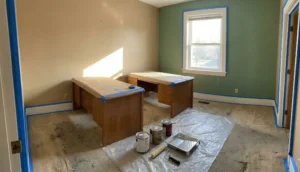 Good preparation isn’t glamorous. No one compliments freshly covered furniture or carefully taped skirting boards. And yet, this is where most painting projects succeed or quietly fail.
When surfaces aren’t prepared, paint struggles to adhere. It peels, bubbles, or dulls faster than expected. In homes, that can mean wasted weekends and repeated touch-ups. In offices, it can disrupt work schedules and leave a space feeling unfinished.
One of the most overlooked painting preparation tips UK professionals swear by is simple patience. Letting a wall dry fully after cleaning. Allowing filler to cure properly. Giving the space time to be ready, not just visually, but structurally.
Preparation also protects what you already have. Floors, sockets, door frames, furniture all of them deserve shielding. A well-prepared room feels calm during the painting process, not chaotic. You can hear it too: less scraping, fewer accidents, more steady progress.
Initial Planning: Setting the tone for a smooth painting job
Before any dust sheets are unfolded, pause. Walk through the space slowly. Notice how light moves across the walls. Pay attention to high-traffic areas, corners, and surfaces that get touched often. These small observations help shape better decisions later.
For homes, think about daily routines. When will the room be unused? How will furniture be moved? For offices, planning is even more crucial. Coordinating around staff schedules and equipment avoids unnecessary disruption.
At this stage, many people ask whether to paint themselves or bring in professionals. There’s no right answer, but understanding the scope helps. Large commercial spaces, high ceilings, or older properties often benefit from experienced hands. If you’re unsure, reading practical guides on interior painting preparation or office painting setup can help clarify what’s involved before committing.
Clearing and protecting the space properly
This is where preparation becomes physical. The room begins to change shape.
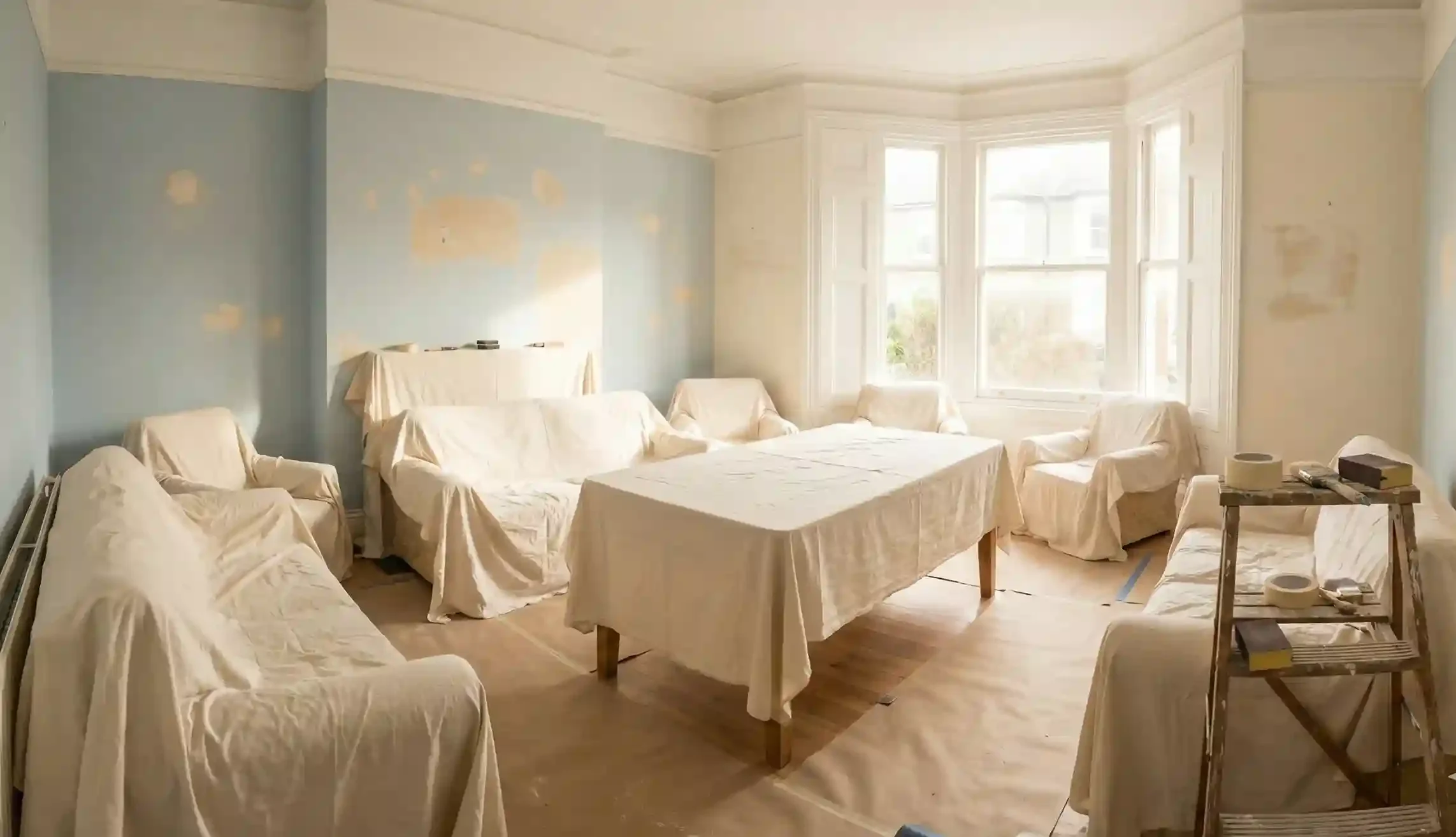
Furniture should be moved away from walls, not just nudged aside. Ideally, it’s clustered in the centre and fully covered. Floors need more than a thin sheet especially in UK homes where wooden flooring and carpets are common. Use thick dust sheets that don’t slide as you walk.
Sockets, switches, skirting boards and window frames should be carefully masked. It sounds repetitive, but this step saves hours later. There’s something oddly satisfying about clean edges when the tape finally comes off.
Among the most practical painting preparation tips UK, professionals often mention one thing people forget: ventilation. Fresh air helps paint behave better and keeps the space comfortable during work.
At this point, the room may look stripped back, almost vulnerable. That’s normal. It’s the blank canvas moment, the quiet before colour arrives.
Preparing walls and surfaces: The step most people rush
If there’s one moment where impatience tends to sneak in, it’s here. Walls look “good enough”, so people move on. But surface preparation is where paint either bonds beautifully or quietly rebels later on.
Among the most valuable painting preparation tips UK, professionals often repeat this: paint only behaves as well as the surface beneath it. Dust, grease, tiny cracks they all interfere, even when they seem invisible.
Start by cleaning the walls properly. In kitchens, offices, and hallways, surfaces often carry a thin film of grease or pollution residue, especially in UK urban areas. Warm water with a mild detergent usually does the trick. The smell of clean walls is subtle, almost chalky, but it signals readiness.
Once dry, take a closer look. Hairline cracks, nail holes, dents from old furniture these are small stories written into the wall. Filling them doesn’t just improve appearance; it creates a smoother, calmer finish. Let filler dry fully before sanding. Rushing this stage almost always shows through the final coat.
Sanding itself doesn’t need to be aggressive. Light, even strokes are enough. You’re not erasing the wall’s past, just softening it. Wipe down dust afterwards; that fine powder loves to sabotage fresh paint.
Dealing with damp, stains, and problem areas
UK properties, especially older homes and converted offices, often carry a quiet enemy: moisture. Damp patches, water stains, or faint discolouration shouldn’t be ignored.
Before painting, identify the source. Is it condensation? A small leak? Rising damp? Painting over these areas without treatment is like putting a plaster on something that still hurts underneath.
Use appropriate sealers or primers for stained areas. These products don’t shout for attention, but they work silently, blocking marks from bleeding through later. A faint musty smell during inspection often hints that something deeper needs addressing before colour enters the picture.
This step is particularly important in shared spaces like offices, where repainting too soon can disrupt workflows. Thoughtful preparation avoids repeat work and unnecessary downtime.
Another of those underrated painting preparation tips UK is knowing when not to paint. If walls feel cold or damp to the touch, it’s usually worth waiting. Paint prefers dry, stable conditions, and so does a good finish.
Priming: Giving Paint the Right Starting Point
Primer doesn’t get much love, but it quietly sets the tone for everything that follows. Think of it as the handshake between wall and paint it needs to be firm and reliable.
Not every wall needs primer, but many do. New plaster, repaired areas, dark colours being covered with lighter ones all benefit from this extra layer. It evens out absorption and helps the final colour appear richer and more consistent.
When primer dries, the room often looks pale and unfinished. That’s okay. It’s a moment of transition. You can almost sense the walls holding their breath, waiting for the real colour to arrive.
Using the right primer also reduces how many coats of paint you’ll need later, saving time and effort. It’s one of those painting preparation tips UK that feels like extra work now but pays off quietly at the end.
Preparing offices vs homes: Subtle differences that matter
Homes and offices share many preparation steps, but their rhythms differ. Homes are personal, filled with memories and routines. Offices are functional, often filled with equipment, cables, and shared spaces.
In offices, protecting technology is crucial. Screens, keyboards, printers they all need covering, even if painting seems far away. Dust has a habit of travelling.
Noise and timing matter too. Scheduling prep work outside core hours helps maintain a calm working environment. In homes, preparation often happens around life meals, pets, children, moments that don’t pause easily.
Understanding these differences helps preparation feel thoughtful rather than disruptive. And thoughtful preparation, more often than not, leads to better results.
Final preparation checklist before you open the paint
Before the first tin is opened, it helps to pause. Not out of hesitation, but intention. This final checklist brings together the most practical painting preparation tips UK into one calm moment.
Walk through the space slowly. Are floors fully covered? Skirting boards taped? Switches and sockets protected? These small details often decide whether painting feels controlled or chaotic.
Check lighting. Natural light reveals flaws artificial light hides, and vice versa. If possible, inspect walls at different times of day. A surface that looks smooth in the morning may reveal subtle imperfections by afternoon.
Temperature matters too. Paint prefers moderation. In the UK, unpredictable weather means rooms can be too cold or too humid without noticing. Aim for stable conditions and avoid painting during extreme damp or heat.
Finally, stir paint thoroughly. That gentle circular motion blends pigments and consistency. It’s a quiet ritual, almost meditative, and it signals that preparation has done its job.
Common preparation mistakes (And why they keep happening)
Most painting regrets don’t come from colour choice they come from skipping steps.
One frequent mistake is underestimating drying time. Filler that feels dry on the surface may still be soft underneath. Painting too soon traps moisture, leading to cracks or uneven texture later.
Another is ignoring small imperfections. “No one will notice” often becomes “I can’t unsee it”. Walls have a way of highlighting flaws once colour is applied.
Using the wrong primer or none at all is another silent issue. Without it, paint absorbs unevenly, forcing extra coats and reducing durability. Among seasoned decorators, this is one of the most repeated painting preparation tips UK for a reason.
Rushing cleanup between stages also causes problems. Dust left behind clings to wet paint like it belongs there.
These mistakes aren’t about lack of skill. They’re about impatience, time pressure, or simply not knowing how much preparation matters.
When preparation is done right, painting feels different
There’s a noticeable shift when preparation has been handled well. Painting stops feeling stressful and starts feeling almost… satisfying.
Brushes glide more smoothly. Rollers distribute paint evenly. Colours settle instead of fighting the surface. The room responds.
In offices, this translates to fewer disruptions and longer-lasting results. In homes, it creates spaces that feel intentional and cared for.
Preparation also affects longevity. Well-prepared surfaces resist peeling, fading, and marking far better over time. That means fewer repaints, fewer touch-ups, and less frustration months down the line.
These outcomes don’t come from expensive paint alone. They come from respect for the process.
Local expertise across North London
Much of our work takes place across North London, where properties, businesses and weather conditions vary widely from street to street. From Victorian homes in Islington and Camden, to modern offices in Barnet, Finchley, Muswell Hill and Haringey, every area brings its own challenges and character.
Working regularly in these neighbourhoods means understanding not just the buildings, but how people live and work within them. Whether it’s preparing a busy office in Highgate, refreshing a shopfront in Crouch End, or scheduling work around family life in Hampstead, local knowledge plays a quiet but important role in delivering smoother, more reliable painting projects.
This familiarity with North London allows planning that feels realistic rather than generic — something clients often notice, even if they can’t quite put their finger on why the process feels easier.
Preparation is an act of care
Painting is often seen as transformation new colour, new mood, new start. But preparation is where that transformation is earned.
Whether refreshing a home or updating an office space, following reliable painting preparation tips UK turns painting into something steady and predictable rather than rushed and reactive.
It’s about slowing down just enough to get it right.
And when the last coat dries and the room settles into itself, you’ll know the effort was visible long before the colour ever was.
Good preparation isn’t just about how the paint looks on day one. It also plays a quiet but crucial role in how well surfaces age over time, especially when exposed to the British climate. Moisture, temperature changes and seasonal wear can undo even the best paint job if the groundwork isn’t right. This long-term perspective connects closely with ideas explored in Exterior painting maintenance North London: How to protect your home year round, where preparation and ongoing care work hand in hand to extend the life of painted surfaces.
Frequently Asked Questions (FAQ)
1. Why is preparation so important before painting a room?
Because preparation directly affects how the paint looks and how long it lasts. Proper cleaning, repairs and protection help paint adhere evenly, reduce visible imperfections and prevent peeling or cracking later on.
2. How long should I spend preparing a room before painting?
As a general rule, preparation should take almost as long as painting itself. Depending on the condition of the space, this can range from a few hours to a full day, especially if filling, sanding and priming are required.
3. Do I really need to use primer before painting?
In most cases, yes. Primer helps seal surfaces, improves paint adhesion and ensures even colour coverage. Skipping it often leads to patchy results and the need for extra coats, particularly on new plaster or repaired areas.
4. What are the most common preparation mistakes people make?
The most common issues include not cleaning walls properly, rushing drying times, ignoring small cracks or dents, and failing to protect floors and fittings. These errors can compromise the final finish.
5. Are painting preparation steps different for offices compared to homes?
The core steps are the same, but offices usually require extra planning to minimise disruption, protect equipment and manage dust. Good organisation and timing are especially important in professional environments.