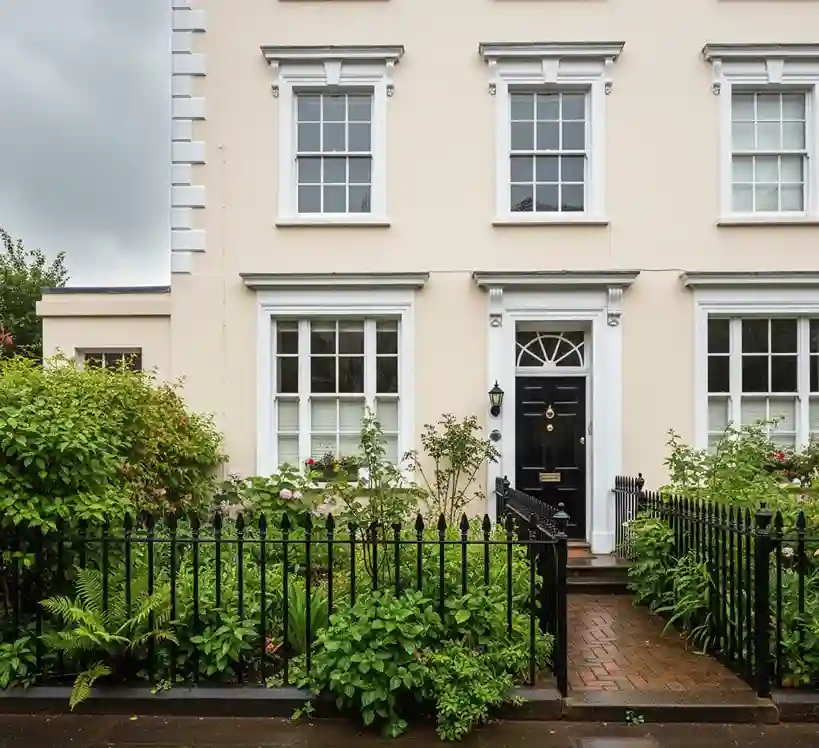
Anyone who’s lived in North London for more than a season knows the rhythm of its skies a bright blue morning that quickly dissolves into drizzle, the smell of damp brick, the constant whisper of wind over terrace rooftops. Beautiful, yes, but also relentless for your home’s exterior. That’s why exterior painting maintenance North London isn’t just an afterthought, it’s a way of protecting your investment and preserving your home’s character through the city’s ever changing moods.
Your walls, fences, and doors are silent witnesses to these shifts in climate. They expand under brief sunlight, contract under frost, and absorb the heavy air of early autumn rain. Without care, cracks and peeling paint appear, quietly spreading like ivy. But with mindful maintenance, you can keep your property looking vibrant for years.
Understanding the impact of UK weather on exterior paint
Let’s not pretend otherwise British weather is nothing if not erratic. One day it’s all soft mist and a breeze you barely notice; the next, the wind’s howling like a protest and flinging rain against your windows with theatrical flair. For homeowners, this isn’t just inconvenient, it’s the slow undoing of any exterior paint job. That constant dance between damp and dry, heat and chill, wears away at walls far more effectively than time alone.
Moisture, rain and temperature changes
Rain may be romantic in songs, but on paintwork, it’s the enemy of longevity. When water seeps into hairline cracks, it doesn’t stay there quietly; it freezes in winter, expands, and forces the paint to lift and blister. Over time, this weakens the underlying surface, leading to peeling or mould formation.
Meanwhile, temperature swings from cold January nights to surprisingly warm spring afternoons cause expansion and contraction in timber and masonry alike. This constant motion slowly breaks the bond between paint and wall. It’s subtle at first, almost invisible, but eventually you’ll notice bubbles or dull patches where the colour once gleamed.
Common damage signs to look out for
The tricky thing with weather damage is how quietly it begins. You might run your hand along the wall and notice a bit of chalky dust coming off easy to shrug off, really. Or maybe there’s a faint patch just under the window where the colour’s dulled a little. Sometimes the paint starts to lift at the corners, curling up like old paper nothing dramatic, just enough to make you wonder if it’s always been like that.
Leave it, though, and that’s when the trouble starts. Moisture finds its way in, settles behind the paint, and before long you’ve got stained plaster, mould creeping in, maybe even insulation starting to suffer. It doesn’t happen all at once but it does happen.
The upside? Catch it early, and it’s rarely a big job. A bit of sanding, a quick patch-up, maybe a dab of primer where it’s needed often that’s all it takes to keep things from getting worse. It’s not the sort of task anyone brags about, but it saves you a fair bit in the long run.
That’s why it’s worth giving your exterior a proper look now and then especially after a long, wet winter. A few minutes of checking could spare you a summer of repairs.
Maintenance tips to protect your exterior paint
Looking after your exterior paintwork doesn’t have to mean constant repainting. It’s less about big overhauls, and more about those quiet, regular bits of care the kind that save you from headaches (and expenses) down the line.
A good rule to follow? Light touch-ups once a year, and a proper repaint every five to seven give or take, depending on how exposed your home is to the elements. South-facing walls that catch the sun, or corners that take the brunt of the rain, may need a bit more attention.
Regular cleaning and inspections
Start simple. Once or twice a year, give your walls a gentle clean with a mild detergent or an exterior-friendly solution. You’re not aiming to scrub them spotless just enough to lift off the grime, algae and fine dust that slowly wear away the paint. A soft brush or sponge will do; leave the pressure washer in the shed, unless you’re looking to blast off more than just dirt.
As you go, keep your eyes open. Peeling paint, softened wood, black streaks near joints they’re all little clues that something deeper might be going on. North London’s air, often damp and heavy with particles, has a habit of clinging to façades. A decent clean not only brightens things up but also gives future coats of paint a better surface to hold onto when the time comes.
Keep gutters and downpipes clear too. Overflowing rainwater running down walls can cause streaks, erosion, and eventual staining, a classic issue in the unpredictable house painting tips UK weather cycle.
When and how to repaint
When it comes to exterior painting maintenance North London, timing makes all the difference. It’s not just about keeping up appearances it’s about sealing your home against the elements before they sneak in.
The ideal time? Usually between late spring and early autumn. That’s when the weather plays along: mild temperatures, low humidity, and dry surfaces. Wait for those clear, settled days not too hot, not too damp and your paint will thank you by lasting longer and looking better.
Before painting, always:
- Remove loose or flaking paint using a scraper or wire brush.
- Repair cracks and prime exposed areas.
- Sand lightly to create an even base.
- Apply two thin coats rather than one thick layer for durability.
Choosing the right day matters too. If rain is forecast or frost lingers in the air, wait. Painting over moisture locks in dampness, leading to faster deterioration.
For homeowners short on time, hiring professional property maintenance painting services ensures not only a perfect finish but also access to expert knowledge of how to protect exterior paint North London homes effectively against local weather conditions.
Choosing the right paint for North London conditions
The city’s weather demands resilience. Not every brand or finish can withstand its rhythm of mist, drizzle, and low winter light. Professionals recommend breathable, water-resistant paints especially those designed for masonry or wood that allow moisture to escape while preventing further ingress.
Look for formulas labelled “weatherproof,” “flexible,” or “UV-resistant.” They may cost a bit more upfront, but they’ll save you a full repaint in the long run. Matte finishes hide imperfections better, while satin or eggshell add a subtle sheen ideal for doors and trims.
When picking colours, remember how different London light can be. A shade that looks warm beige under summer sun might turn cool grey in winter. Always test patches on different sides of the house what catches dawn in Hampstead won’t look the same as twilight in Enfield.
At the end of the day, the best exterior painting maintenance North London starts long before the brush touches the wall. It begins with thoughtful preparation and the right materials.
For those already planning a fresh coat indoors, explore our companion article “Interior Painting Colour Trends 2025 for North London Homes” a complete guide to the hues and styles transforming London interiors this year.
FAQs
1. How often should I repaint my home in North London?
Most homes benefit from repainting every 5–7 years, depending on exposure. Regular touch-ups and cleaning extend this lifespan.
2. What kind of paint lasts longest in the UK climate?
Use breathable, water-resistant exterior paints designed for masonry or wood; they handle moisture and temperature swings far better.
3. Can I paint during winter in London?
It’s best to avoid winter painting. Cold and damp conditions prevent paint from curing properly and reduce adhesion.
4. What’s the easiest way to spot paint damage early?
Look for fading, cracking, or chalky surfaces. Touch them; if residue comes off, it’s time for maintenance.
5. Are professional painters worth hiring?
Yes professionals understand how to adapt materials and techniques to North London’s specific weather, saving you money and stress in the long run.